In our third week in consumer behavior, we covered cause-related marketing. Cause marketing is the application of various marketing principles and tactics in a campaign to support a philanthropic cause in the world to gain sales, while providing benefits to the cause.
In today's society, cause marketing cannot be an afterthought. It paramount for brands to be successful and competitive on a global scale to link their business to a selfless cause. By demonstrating that their organizations actions, intentions, and processes will contribute positively to society in some form, brands can establish themselves as frontrunners in their product categories. Ultimately creating, what companies focus on in regards to consumer behavior, a positive brand image in the mind of the consumer, and longer lasting relationships with their customers.
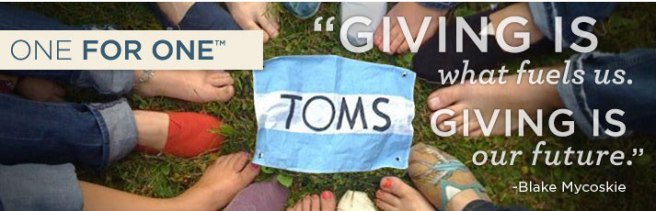
 I have always believed in purchasing products that have a positive impact on my life, but also indirectly on the less fortunate, as well as nature. It's deeply ingrained in my values, and American values in general to help society NOW because "its the right thing to do." Not only will it create a positive image for myself, but supporting a cause will benefit society's future overall wellbeing. Cause marketing ultimately drives the underlying "total product experiences" behind my purchases and makes me feel good about the purchases I make. Some of my favorite causes that I support by buying their products are Dawn soap, and Toms one-for-one shoes. For Dawn, I find that I am buying soap anyways, so I may as well purchase from a company that is doing its part to better nature and the environment. I want to support businesses who show they care. Dawn works with wildlife rescue efforts to help save endangered animals in the event of oil spills environmental catastrophes. "Dawn is all about tough on grease, mild on skin. Trying to balance those two benefits is sometimes challenging. When you talk about a bird that has a really sensitive internal system but is also covered in this tough grease, it's a really clear way of articulating our benefit to consumers." For Toms, I wanted to support a cause that would benefit developing communities and children in Africa. If I could even make a small difference in the life of one struggling child, then I have done my small part to make the world a better place. Toms has even inspired other companies to adopt the one-for-one business model. Cause-marketing is contagious!
What Effect does Cause Marketing Have?
Before taking Consumer Behavior, I had a limited knowledge of cause-related Marketing, and how much of an effect it actually has on sales and creating brand awareness. In a study done by Duke University a few years ago, the school of business found that cause-related marketing can exponentially increase sales, in some cases as much as 74%. By completing multiple studies done in store as well as online, they were able to validate the sales increases. One researcher on the study stated, "one thing we know for sure - consumers are paying more attention to cause messages, and as a result, are more likely to purchase. This is clearly great news for brand managers, as every percentage increase can translate to millions of dollars in revenue." The cause issue, the non-profit benefits, and the basic nature of the products were the decisive factors for consumers deciding to purchase the products over their competitors. To read more about the study, you can find the article here: http://www.conecomm.com/news-blog/cone-releases-first-cause-consumer-behavior-study
Why Support A Cause?
A Challenge
Next time you are at the store, try to find a brand that supports a greater cause. It doesn't have to be a big purchase...it could be something as simple as soap, or a food share. Look at how they use cause marketing to attract consumers in store. Is it their advertising on the product? Maybe a flyer or coupon? Does it influence you to purchase their product over the competition?
Comments
Post a Comment